Dusk Ridge: from sniper missions to 5v5
Dusk Ridge began as a quiet sniper game: one ridge, a scope and a handful of targets. It is now a 5v5 online shooter with a Yeti in it.
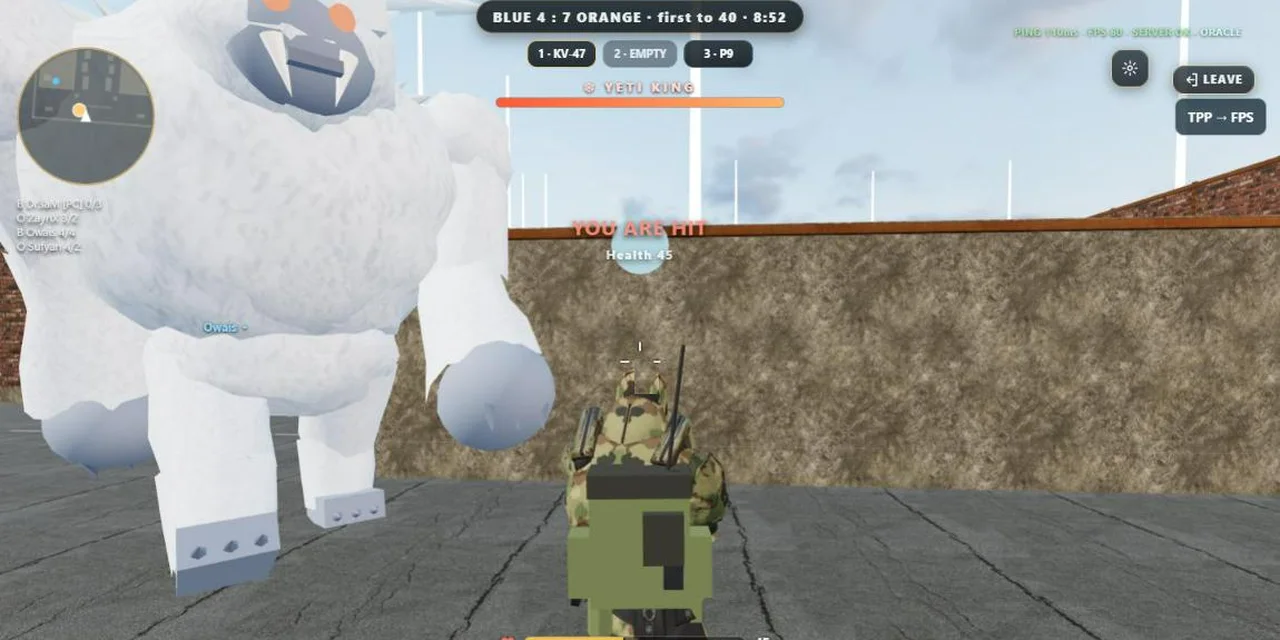
Two kinds of pressure
A sniper mission asks you to observe, identify and commit to a shot within a fixed ammunition and time budget. An arena asks you to keep making decisions while other players move. Carrying a scope from one mode to the other does not make those decisions the same: an excellent firing position for a stationary mission can be too exposed for a team objective.
The campaign's hostile markers, priority targets and attack warnings make individual decisions readable. Online play adds another source of uncertainty: a human opponent can choose a different route, and a teammate can change what your team needs next. That is the design difference behind the expansion, beyond increasing the character count.
What each arena mode changes
| Mode | Decision it emphasises |
|---|---|
| Team Deathmatch | Finding a fight while controlling exposure and keeping a retreat route. |
| Domination | Choosing which space to hold, rather than treating every nearby opponent as the objective. |
| Gun Game | Adapting after a weapon change instead of repeating one familiar engagement range. |
| Yeti Hunt | Following a shared large threat while managing position and incoming attacks. |
The same map can feel different under these objectives. A route that avoids combat may help reach a control point, while a route with a clear firing lane may matter more in a kill-based mode. Map variety is useful when it creates those choices, rather than only changing scenery.
Bots solve an empty-slot problem
The arena uses bots to fill open slots and removes them as people join. This gives a small player community a way to start a populated match. It does not turn every match into ten human players, so the description needs to say players and bots plainly.
There is also a consistency question whenever a participant changes: the room, score and match objective must still make sense to the people already playing. A useful QA scenario is to start with bot-filled slots and introduce a joining player while a match is active. That is a scenario to check, not a claim that every connection edge case is already solved.
Camera choice is a gameplay choice
First-person view puts the weapon and sight at the centre of attention. Third-person view shows the character and more of the immediate surroundings. Supporting both means controls and visual feedback need to remain understandable after a switch. A practical comparison is to walk the same route, aim at the same landmark and switch views: can you still tell where you are pointing and what blocks your path?
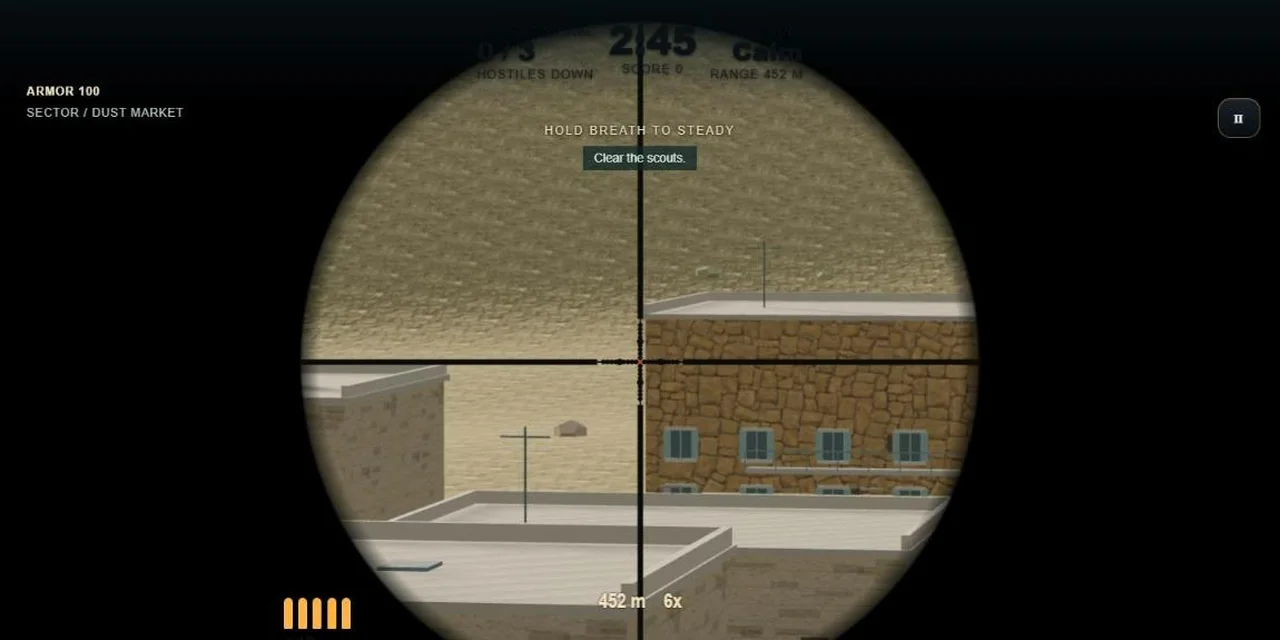
A phone performance budget is more than a version number
The game targets mid-range Android phones and offers a visual quality setting. Android compatibility describes whether the app can run; it does not by itself prove a steady frame rate. A quiet sightline and a busy encounter with several characters can place very different demands on the same phone.
For a useful performance report, name the device, build, map, camera view and quality setting, then describe what was happening when the slowdown began. No measured frame-rate figures are presented here. Reproducible reports are more useful than saying a whole map feels slow.
For controls and a first-mission routine, use the player guide. Send reproducible issues through Contact.